

Founded in 1563, Durango has a history that dates back to the colonial era. It was an important mining center during the Viceroyalty of New Spain due to its vast deposits of silver and other minerals. The city of Durango, its capital, played a crucial role in the economic and social development of the region during the colonial period and in the era following Mexico’s independence.
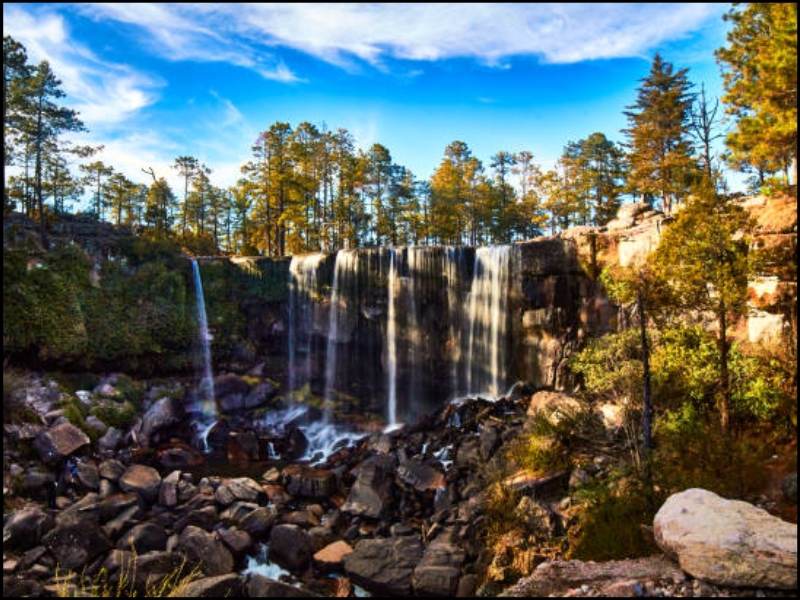
Sierra Madre Occidental: This mountain range offers stunning landscapes and outdoor activities such as hiking, mountain biking, and wildlife watching.
Mexiquillo Natural Park: A popular ecotourism destination, featuring forests, waterfalls, and rock formations ideal for climbing and rappelling.
Archaeological Sites: Durango is home to archaeological sites such as La Ferrería, which provides insight into the pre-Hispanic cultures of the region.
Thermal Baths and Hot Springs: There are several natural spa resorts in the state, such as the San Juan hot springs, which are renowned for their healing properties.
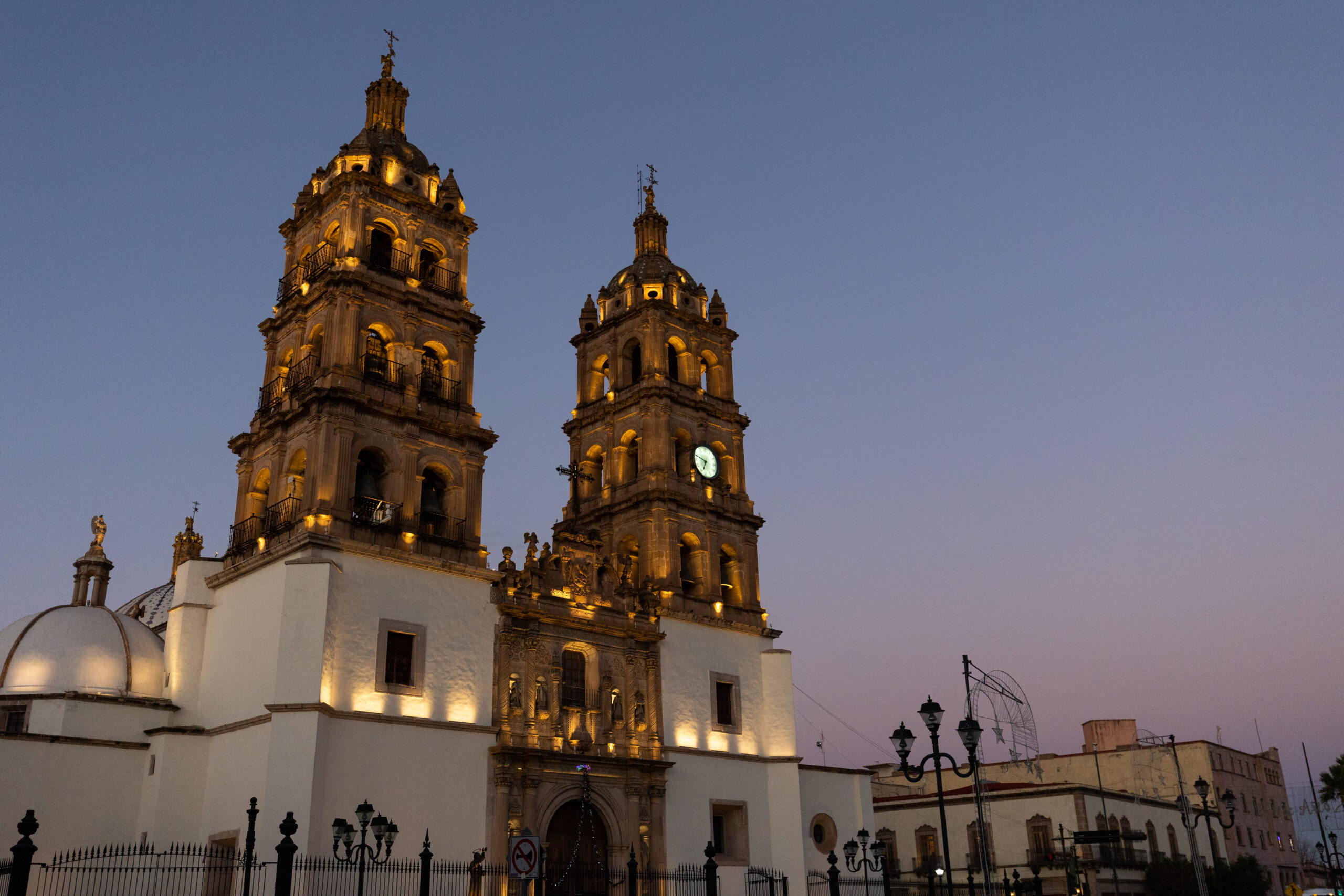
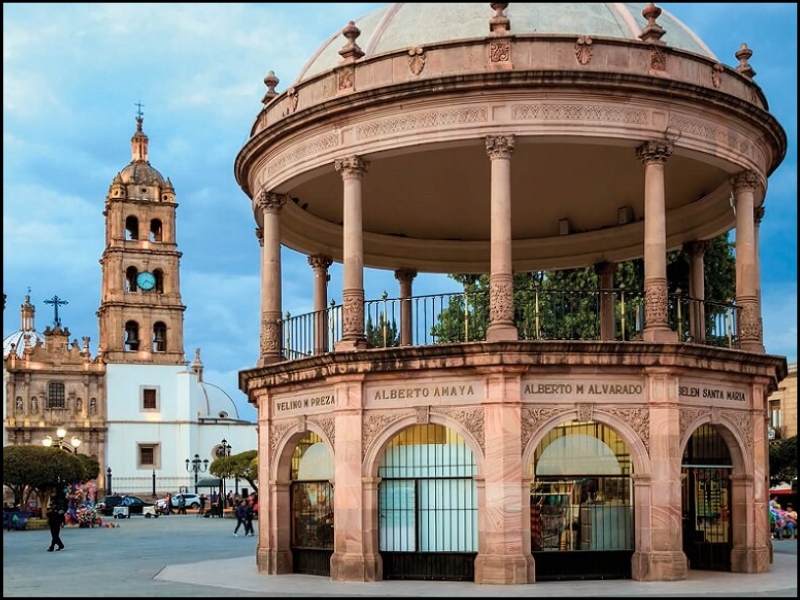
Minor Basilica Cathedral: An outstanding example of Baroque architecture, located in the city of Durango, built between the 17th and 18th centuries.Palacio de
Zambrano: Built in the 18th century, this historic building now houses the Durango City Museum. It is a prominent example of colonial Baroque architecture.
Teatro Ricardo Castro: A beautiful theater inaugurated in 1900, it is an excellent example of Neoclassical architecture and an important cultural venue in the city.
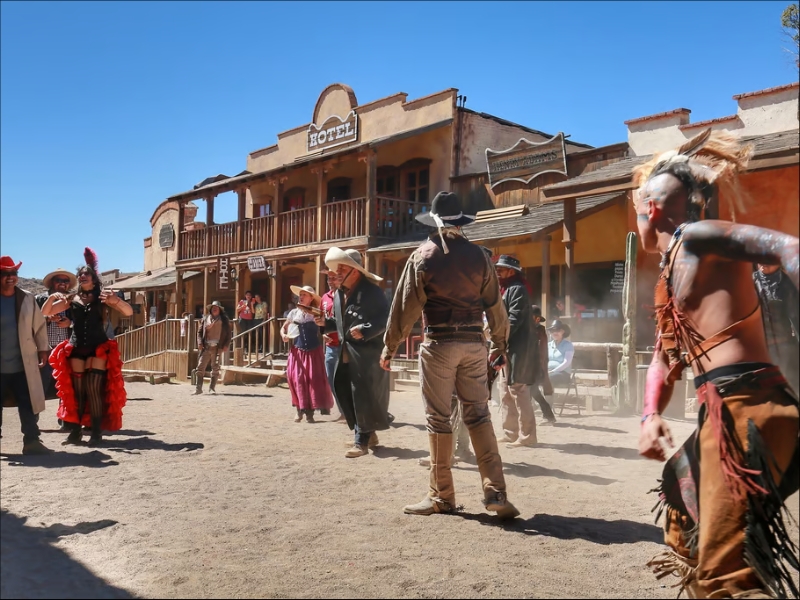
Durango is known for its rich cultural heritage, reflected in its festivals, cuisine, and traditions. Celebrations such as the Feria Nacional Durango and film festivals—since the region has been the setting for many Western genre movies—attract numerous visitors each year.